Smart Choices for Year-Round Comfort: An Owner’s Planning Guide to Heating and Cooling
Assess your space first, because load and layout drive every good HVAC decision. Square footage matters, yet so do insulation levels, sun exposure, window quality, and occupancy patterns. A quick room-by-room walkthrough can reveal hotspots, drafty corners, and noise sources. Document these findings, sketch a basic floor plan, and note ceiling heights. This groundwork clarifies whether AC Installation, Heating Installation, or hybrid solutions fit your goals.
Meanwhile, scope your priorities across comfort, cost, and control. Some homes need quiet operation and zoned temperature control; others value simplicity and long service intervals. If upfront budget dominates, repair may take precedence; if lifecycle value matters, replacement could win. Validate electrical capacity, outdoor clearances, and condensate routes. These details avoid rework later, keeping projects cleaner and timelines predictable.
Beyond that, align system type with the building’s architecture. Ducted setups suit open floor plans with central returns, while a Ductless Mini Split can solve additions, attics, or sunrooms without invasive duct runs. Older structures with limited chases benefit from compact air handlers. Heat Pumps offer efficient heating and cooling in one package, especially when paired with proper weatherization and balanced airflow strategies.
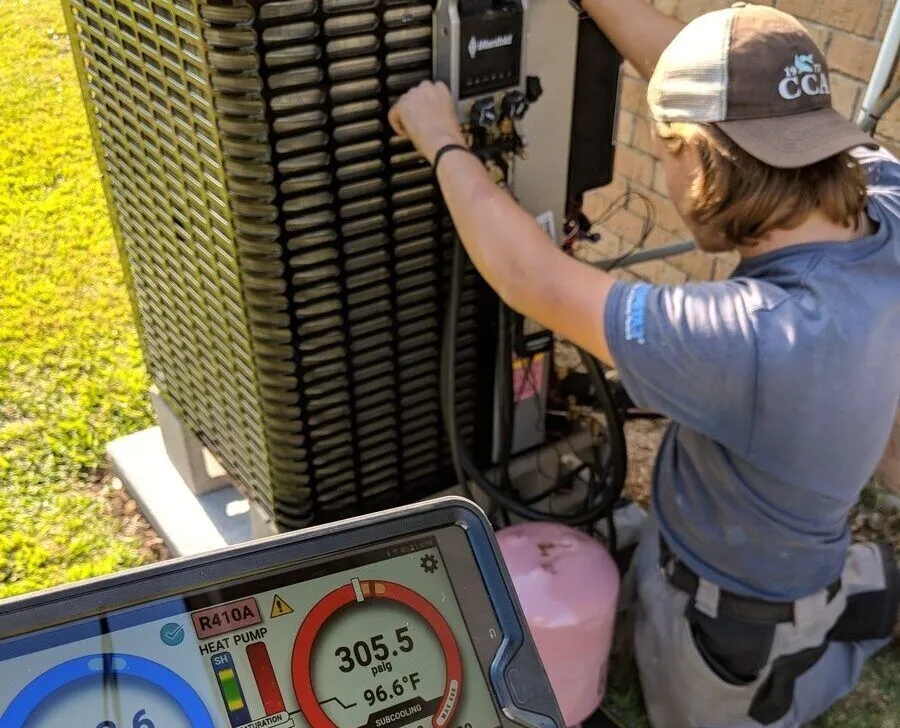
However, sequence the work to minimize disruption and protect finishes. Plan demolition, set equipment pads, and rough-in linesets before painting or flooring. Then schedule final connections, refrigerant charging, and controls setup. Buffer time for inspections and delivery windows, since small delays can ripple through trades. Clear pathways, stage materials, and verify dimensions to ensure equipment fits mechanical rooms and access panels remain serviceable.
In practice, airflow is the backbone of performance. Undersized returns, leaky ducts, or clogged filters undermine even premium gear. Inspect ductwork for kinks, gaps, or crushed sections, and seal with mastic instead of tape. Calibrate registers to balance rooms, then validate static pressure at the air handler. Small corrections here improve comfort, reduce noise, and keep energy use in check across seasons.
Often, comfort hinges on more than temperature. Indoor Air Quality deserves equal attention, especially in tight homes. Right-size ventilation, integrate filtration, and manage humidity with dehumidification or reheat strategies. If allergies or dust are chronic issues, discuss media filters, UV options, and smart thermostats that circulate air at low speed. The goal is cleaner, fresher air without sacrificing efficiency.
Then, plan for routine care from day one. HVAC Maintenance schedules should include filter changes, coil cleanings, drain checks, and seasonal tune-ups. Document model numbers, filter sizes, and warranty terms inside the mechanical space. A simple log helps track AC Repair or Heating Repair history and signals when replacement might outscore another fix, particularly if parts availability or repeated faults become patterns.
Meanwhile, budgeting benefits from a lifecycle lens. Compare total ownership costs over several years, not just initial quotes. Include energy, maintenance, potential repairs, and possible upgrades like zoning or smarter controls. For businesses, Commercial HVAC planning should also evaluate redundancy, access hours, and after-hours service needs. Align financing or phasing so critical spaces stay comfortable during peak demand periods.
Finally, don’t overlook the building envelope. Tightening up with insulation and careful Window Installation can downsize system requirements and smooth temperature swings. Verify weatherstripping, attic sealing, and shading strategies to reduce loads before selecting equipment. Even modest improvements here can allow a smaller system to deliver better comfort, lower noise, and gentler cycling that prolongs component life.
Altogether, refine your path with a clear brief, measured expectations, and staged milestones. Specify equipment capacities based on a proper load assessment, confirm installation logistics, and plan for future service access. With thoughtful prep, tested airflow, and a steady maintenance rhythm, your heating and cooling system can deliver reliable comfort, sensible operating costs, and room-to-room consistency through every season.